Bleed and Safe Area for Flyers, Cards, and Small-Business Print

Learn the difference between bleed, trim, and safe area, then use a simple workflow to protect important content on flyers, cards, menus, and postcards.

Learn the difference between bleed, trim, and safe area, then use a simple workflow to protect important content on flyers, cards, menus, and postcards.

Turn one printed promotion into a coordinated campaign using well-timed email, social posts, consistent creative, and channel-specific tracking.
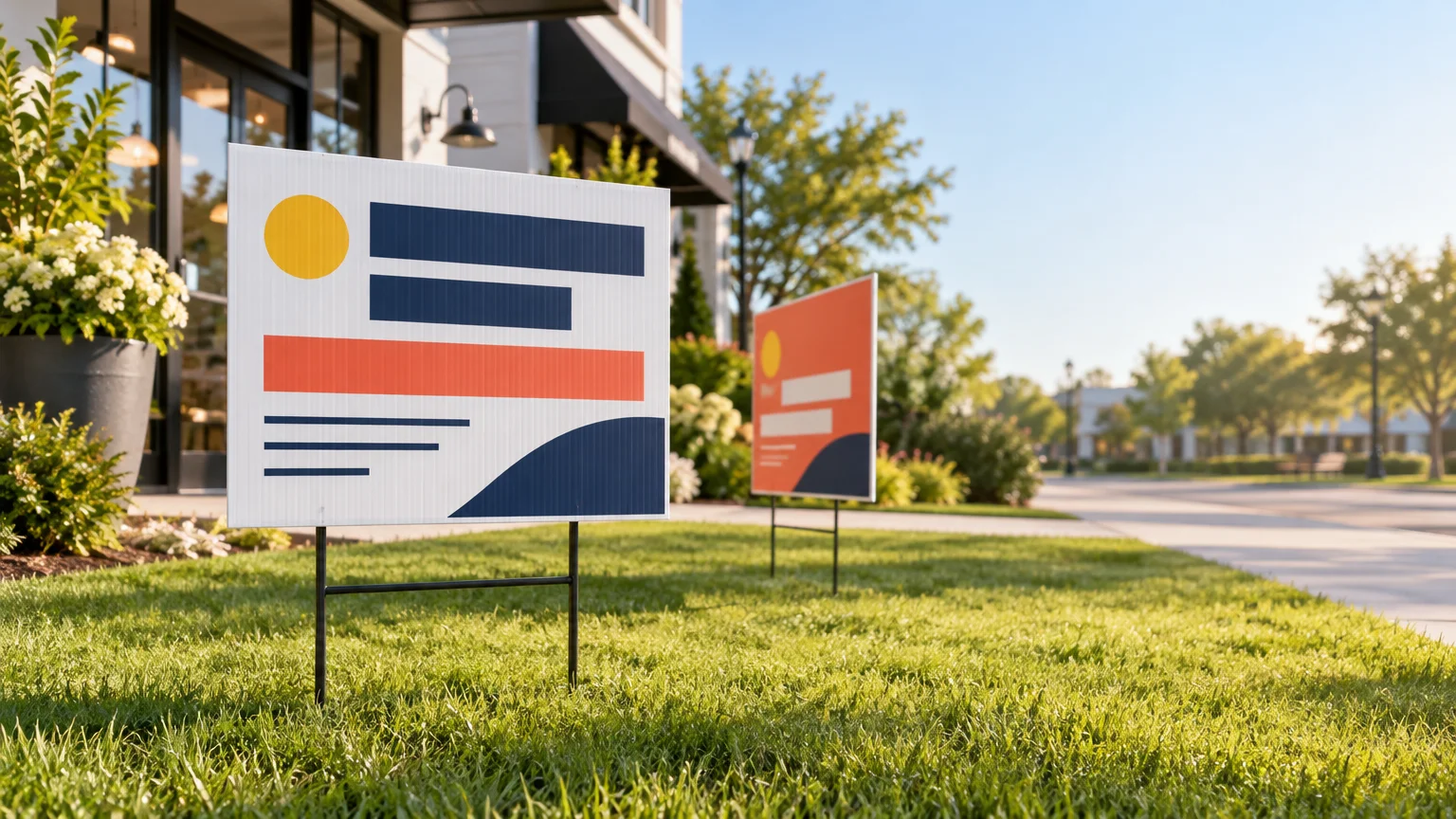
Choose a practical yard-sign size, mounting system, layout, and print file while avoiding common visibility, installation, and ordering mistakes.
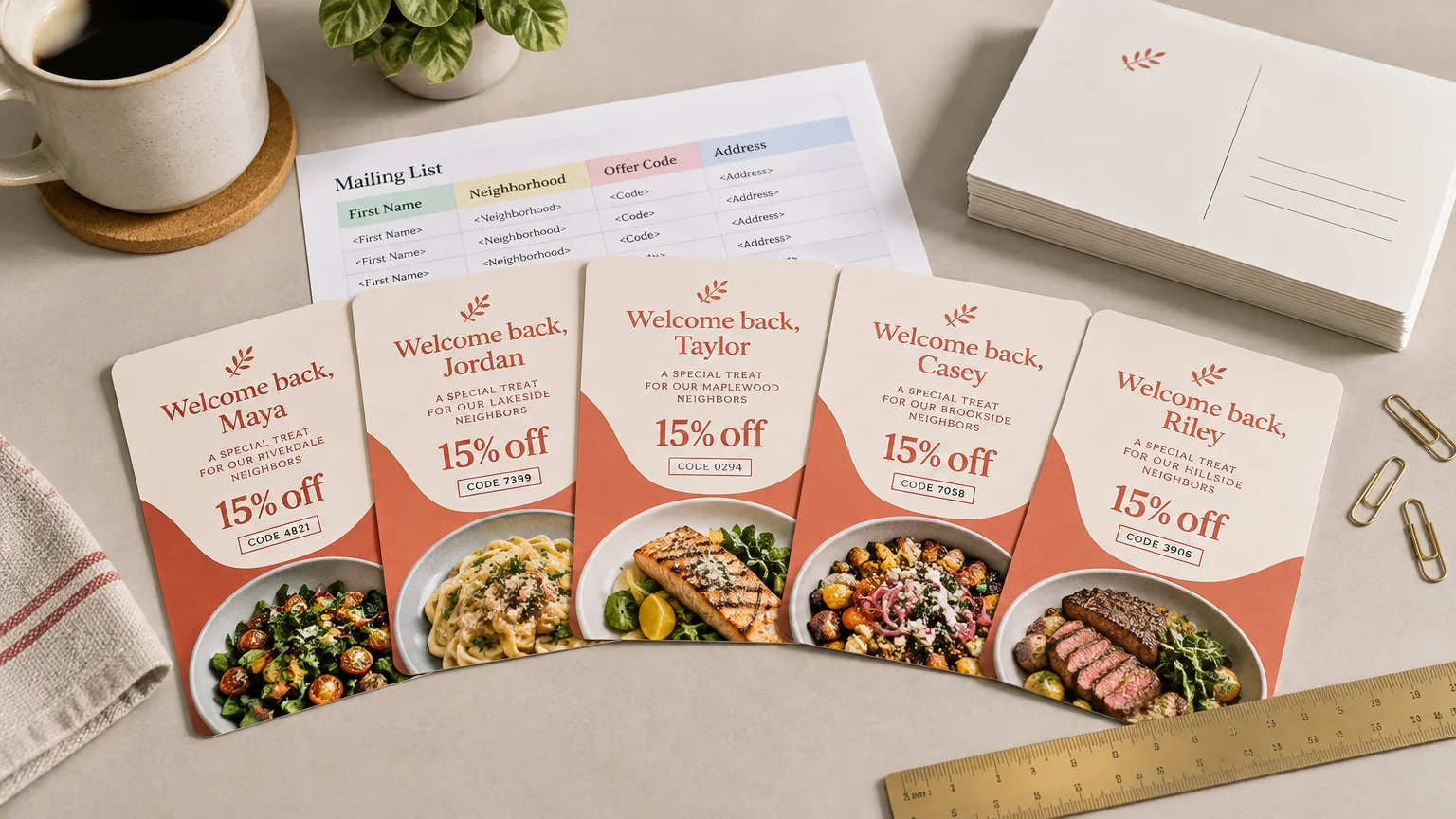
Variable data printing turns one core design into many personalized printed pieces by changing names, offers, images, addresses, codes, or other selected details.
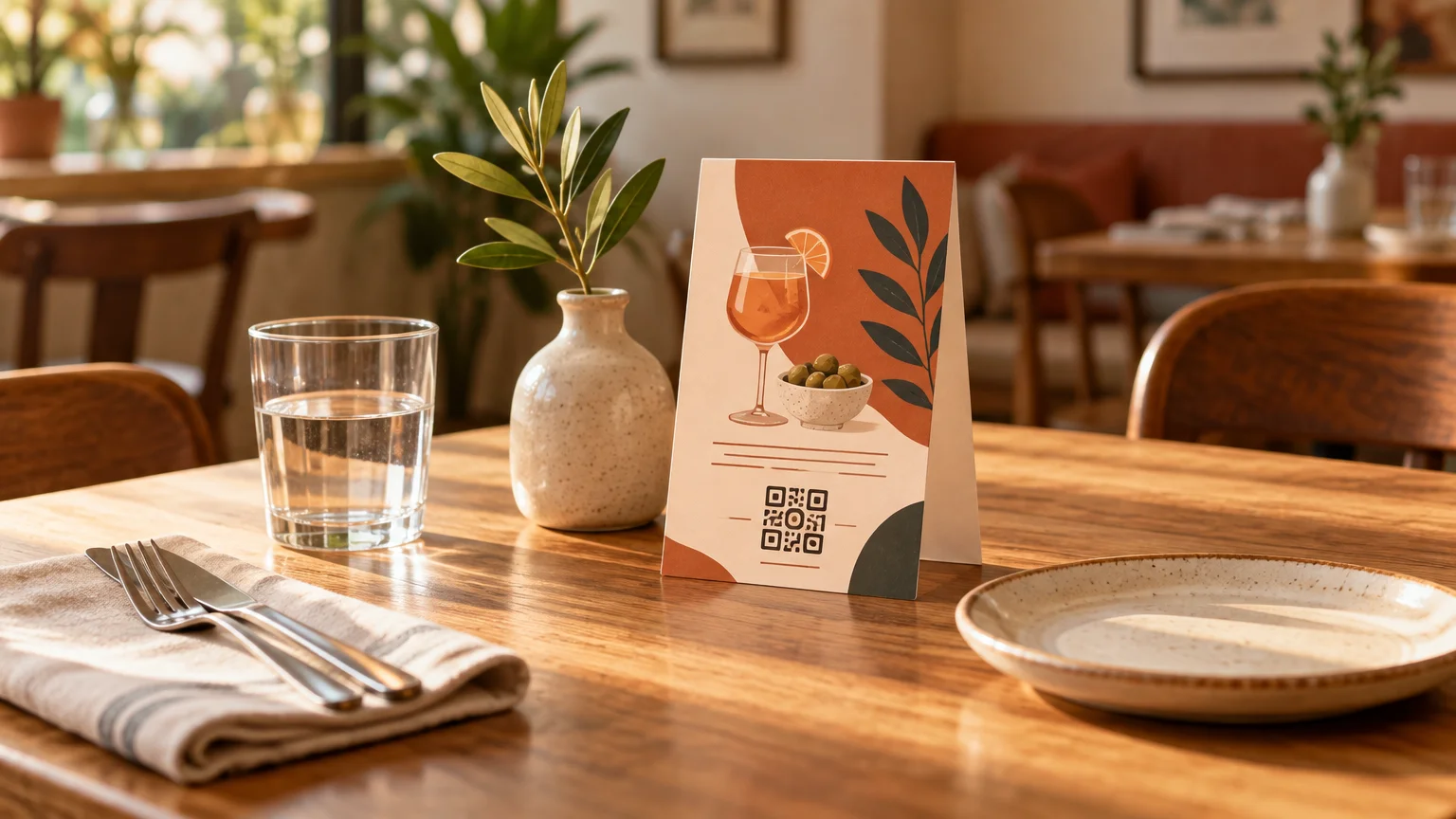
A practical guide to choosing, designing, printing, placing, and measuring restaurant table tents, inserts, cards, and QR-led promotions without crowding the guest experience.

Choose a punch card for a simple in-person reward customers can understand immediately. Choose digital loyalty when tracking, flexible rules, or multiple locations justify the extra setup.
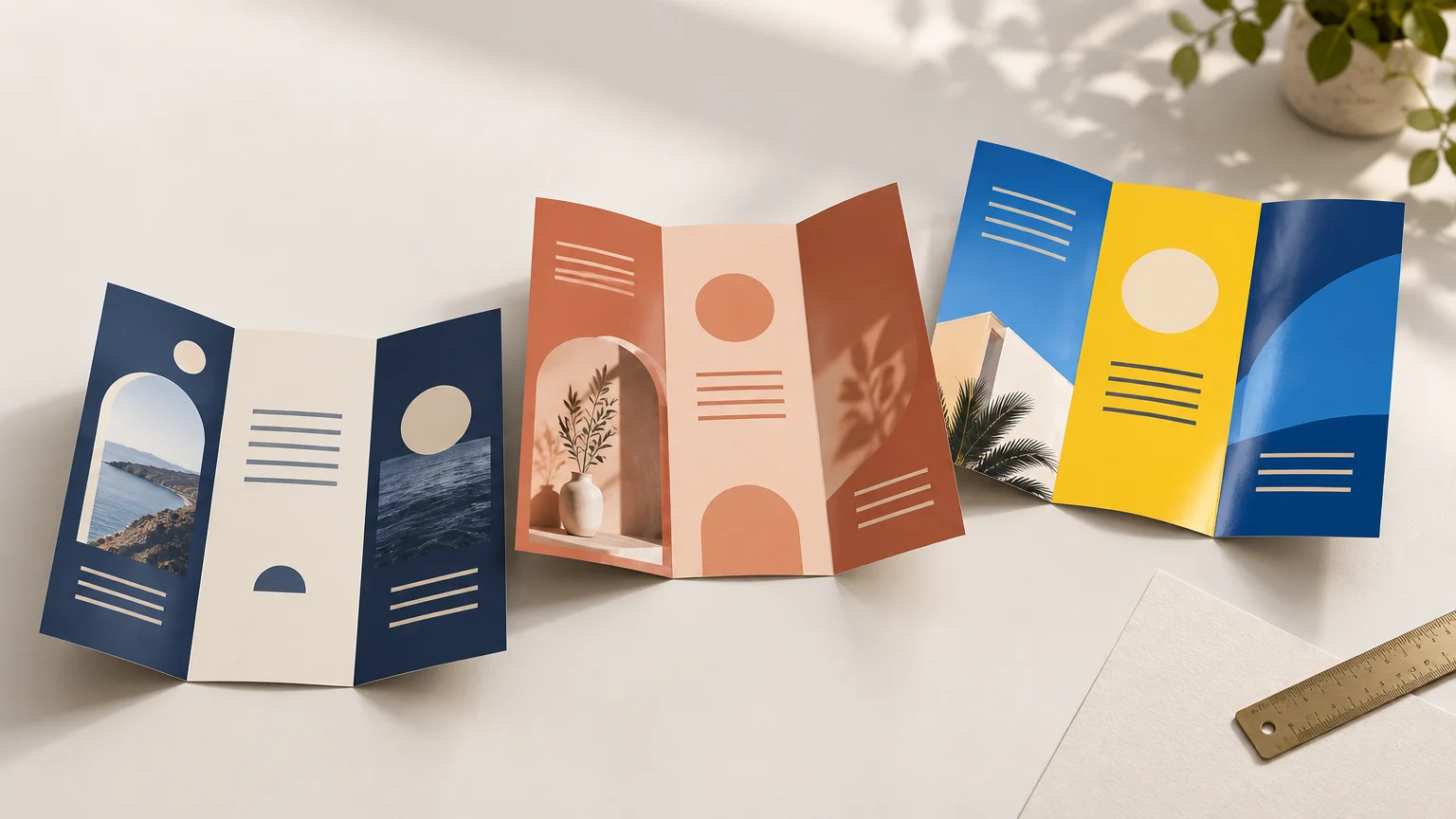
For most folded business brochures, 100 lb matte or silk text is the strongest all-purpose starting point. Here is when to choose something lighter, glossier, or sturdier.
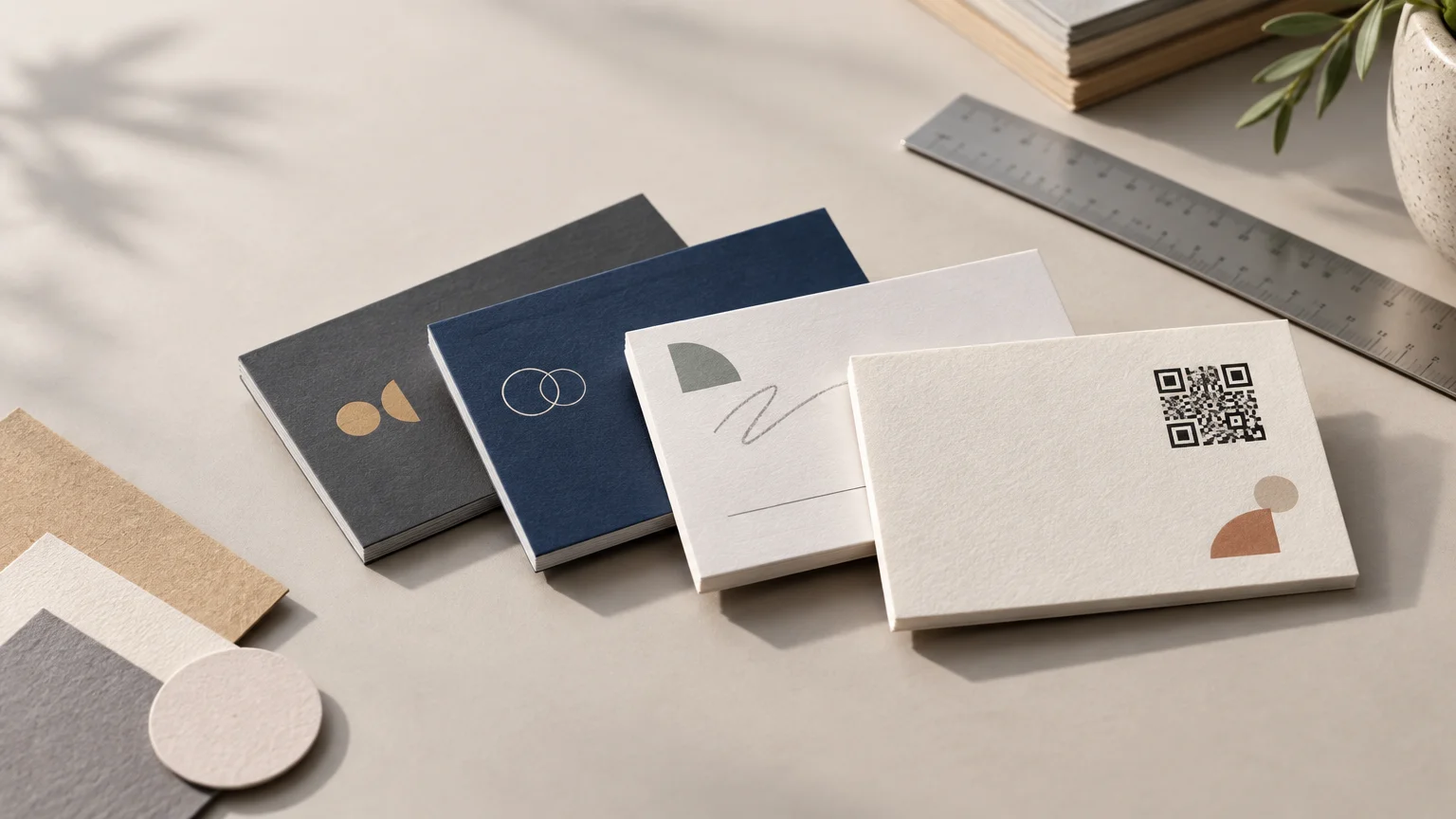
Start with 16 pt matte or silk cardstock for a dependable business card, then adjust the paper and finish for photos, handwriting, QR codes, or a premium feel.
TLDR Serge Matta is currently President of Global Ad Sales at LG Ad Solutions, the business built to turn activity on LG televisions into valuable advertising data. Before that, he was CEO of Comscore, where an SEC order found that his conduct was part of a financial accounting and disclosure fraud that materially overstated revenue … Read more
A label that says “99% pure” looks precise. But from an analytical standpoint, it raises more questions than it answers. Ninety-nine percent by what method? Was the peptide’s identity confirmed? Does the test apply to the batch currently being supplied? Is the reported purity chromatographic purity, peptide content, or something else entirely? These questions matter … Read more
TLDR A print problem often starts long before anything reaches the printing press. The artwork might be the wrong size. A photograph may be too small. Text can sit dangerously close to a cut line. Or a bright RGB color may be impossible to reproduce exactly with the inks being used. Preparing a print-ready file … Read more
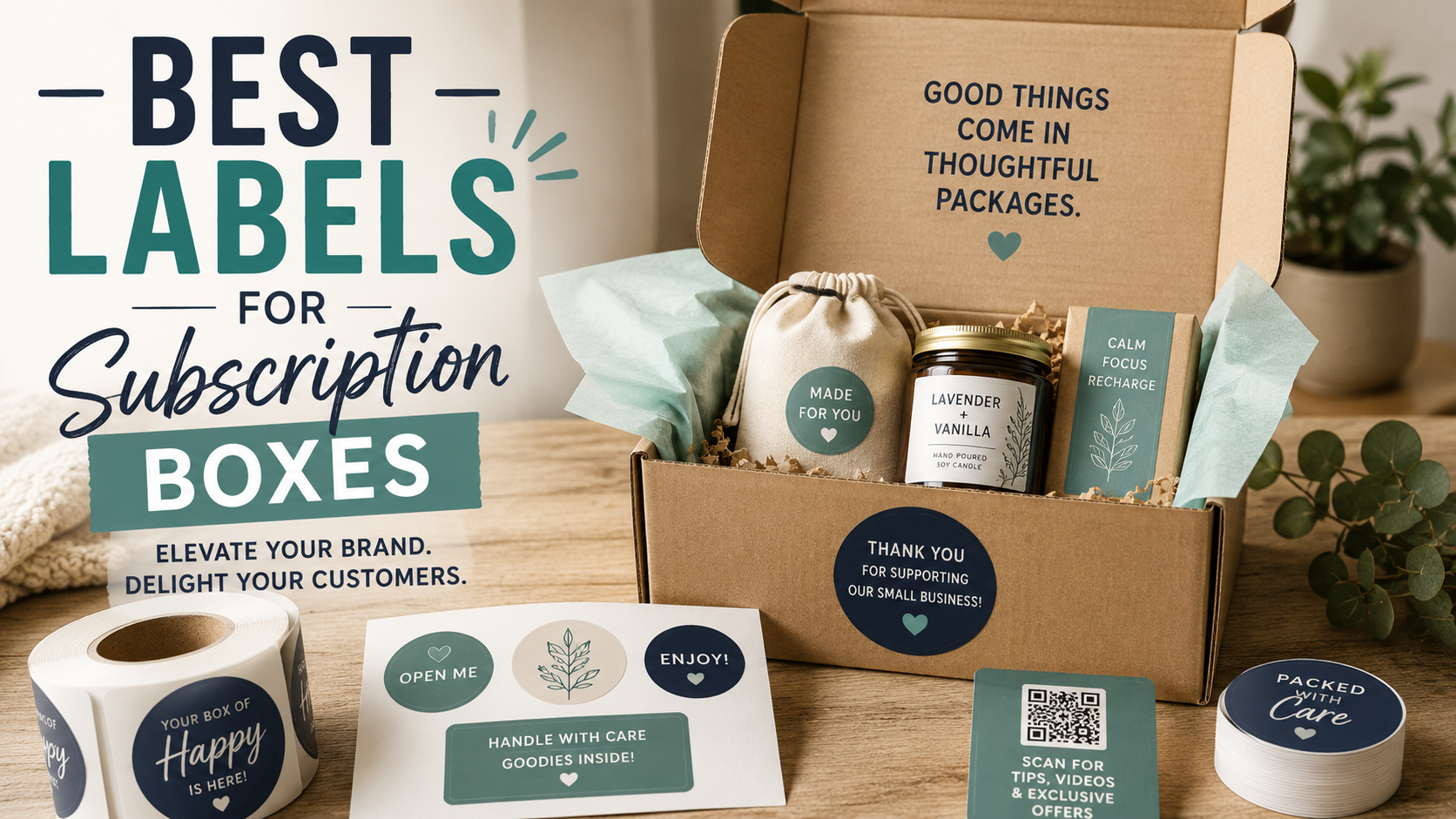
TLDR The best labels for subscription boxes depend on where and how the label will be used. Use a durable branded label on the outside of the box, a carrier-approved shipping label for delivery, roll or sheet labels for individual products, and smaller stickers for tissue paper, inserts, or box seals. Test every label on … Read more
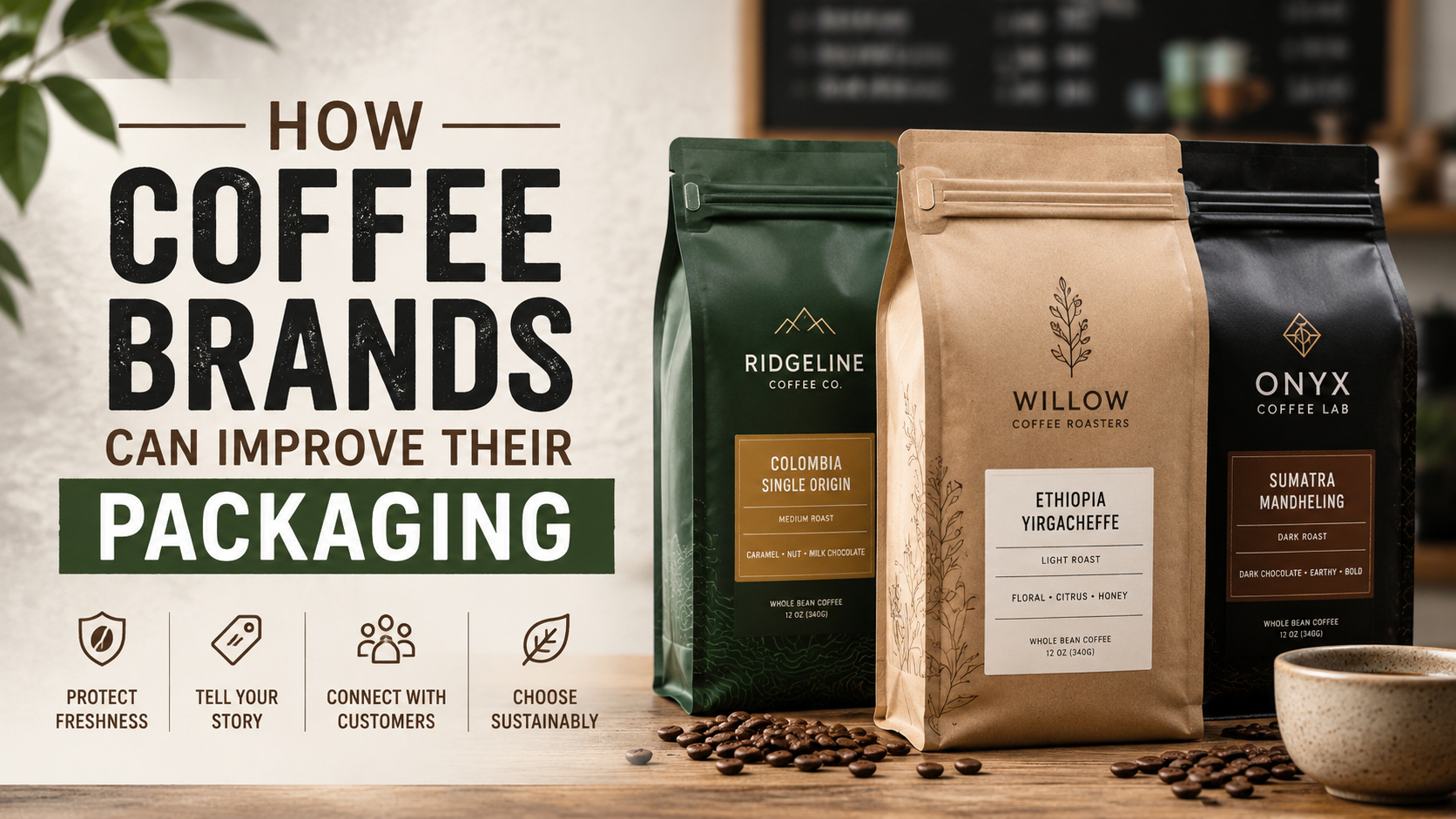
TLDR Coffee packaging has three main jobs: protect freshness, explain the product, and make the brand easy to recognize. Coffee brands can improve their packaging by using high-barrier bags, clear product information, consistent visual systems, resealable closures, and flexible packaging labels. Sustainable claims should also be specific and supported, rather than relying on vague terms … Read more
TLDR A good MTG proxy maker should produce cards that are readable, consistent, sleeve-friendly, easy to order, and clear about responsible proxy use. Prioritize crisp text, proper card sizing, consistent thickness, reliable previews, and a simple upload or deck-import process. Avoid any proxy maker that markets proxies as “indistinguishable,” “tournament legal,” or meant to pass … Read more
TLDR Large format viewing distance DPI is not the same as small print DPI. A business card needs close-up sharpness. A banner viewed from 20 feet away does not need the same pixel density, because human eyes are rude but also practical. The right resolution depends on size, viewing distance, detail level, material, and whether … Read more